






Your Meta Ads agency.
Spend that earns
its place.

SIXGUN is a Meta Ads agency that plans, builds and manages paid campaigns across every Meta placement – Facebook, Instagram, Messenger and the Audience Network – and runs them to a cost per result your business can afford rather than to reach, impressions or engagement. Strategy, audience targeting, creative, conversion tracking and the weekly decisions in between all sit inside that job.
Meta Ads management that delivers
Paid social is a different job from posting on your own channels. Social media marketing builds an audience over months, while paid social buys attention now, from people who have never heard of you, and asks them to act within a few seconds of scrolling past. Every account gets scoped to the business in front of it, because a first test budget and a national ecommerce launch need very different structures. The ad is only half the work. What happens after the click decides whether the spend was worth anything, which is why conversion rate optimisation sits so close to this service.

What a Meta Ads agency actually does

The job title varies. Meta advertising agency, Meta ads management, paid social agency – the scope underneath is the same, and it is wider than most businesses expect when they ask for someone to run their ads. Across most engagements the work covers:

  • Account audit and strategy – reviewing what has already run, what the competitive set is doing across Meta’s placements, and what the account should be pointed at before any budget is allocated.
  • Audience research and segmentation – building and testing the custom, lookalike, interest-based and broad audiences that suit the offer, then cutting the ones that do not earn their place.
  • Campaign structure – separating awareness, consideration and remarketing so each funnel stage carries its own campaign objective, budget and measure of success.
  • Creative production – static, video and carousel assets built for the placement they will run in, not resized from a print ad.
  • Ad copy and testing – multiple variants per audience, run long enough to say something, retired when they stop working.
  • Conversion tracking – pixel, conversions API and analytics configured so the numbers you judge the channel on are numbers you can defend.
  • Budget and geographic targeting – allocating spend across campaigns and locations, and moving it when the data says to.
  • Reporting and ongoing optimisation – what changed, what it cost, and what we did about it, every month.

None of it is set-and-forget, which is the part that catches businesses out after a strong first month. A Meta account degrades on its own. Audiences saturate, creative fatigues, and the cost per result climbs quietly until somebody looks. Meta ads management is sold as a monthly fee for a reason, the optimisation is the service.

One account, every Meta surface

Meta ads is the platform, not one of its channels. Facebook and Instagram are the two largest surfaces underneath it, but a properly built campaign runs across several, from a single ad account:

  • Facebook – feed, Stories, Reels, Marketplace and in-stream placements, and still the deepest pool of remarketing and custom-audience data on the network.
  • Instagram – feed, Stories, Reels and Explore, where the creative standard is highest.
  • Messenger – Stories placements, plus click-to-message campaigns where the conversion is a conversation rather than a form.
  • Audience Network – Meta’s placements inside third-party apps, which extends reach cheaply and needs watching, because cheap impressions are not cheap outcomes.

Meta ads management means placements are chosen per campaign rather than per platform, and much of the time the sensible answer is to let the delivery system distribute across them and judge the result rather than the placement.

How we run a Meta account

Every account starts with the landscape rather than the ad: what has already run, what your competitors are putting in front of the same audience, and what the account has spent money learning. That assessment sets the structure. Building campaigns before it is how businesses end up paying the auction for information they could have read for free.

Audience targeting is where most accounts are either won or quietly wasted. We build from what you already own first – customer lists, website engagers, video viewers, people who have interacted with your page – because those signals belong to your business and they are the ones the platform models best. Interest and demographic targeting comes next, tested against broad audiences rather than assumed to beat them. Then the losers get cut.

Creative and copy run on a cadence rather than a launch date. Every audience gets more than one angle, each angle gets enough impressions to say something, and the winners get rebuilt into the next round. We write copy variants that test one thing at a time – the offer, the objection, the opening line – so that when a number moves, we know what moved it.

And the account is yours. We work inside your Business Manager and your ad account, or we build one in your name and hand you the admin. Pixel, audiences, creative and performance history stay with your business if the relationship ends. An ad account accumulates years of learning that cannot be exported to a replacement, and we would rather compete on the work than on the difficulty of leaving.

Structuring a campaign across the funnel

Nobody buys from a business they met four seconds ago, so an account that only runs conversion campaigns at cold audiences pays retail for every sale. The structure that works splits spend by how well the audience already knows you.

Top of funnel. Cold audiences, broad and interest-based, tested against each other to find the one the delivery system can actually work with. Creative here introduces the business and the offer. Judge it on cost per landing page view and how many people it pushes into the next stage, not on same-day sales.

Middle of funnel. Lookalike audiences built from your own website engagers and purchasers, usually at 1% to 3% for Australia, alongside social engagers and recent site visitors. Copy shifts from introduction to consideration: what you do differently, why it costs what it costs, what the objection is. Most accounts skip this stage. It is the one that makes the bottom of the funnel affordable.

Bottom of funnel. Catalogue-driven remarketing to people who have been on the site and not converted. We hold this back until the account has generated enough data. Before that the remarketing pool is too thin to justify its own campaign, and splitting a small budget across a small audience only raises frequency until people are irritated by you. Waiting is not caution. It is the difference between reaching a real audience and reaching the same handful of people over and over.

How the budget splits across the three depends on the account. A business with no existing audience carries more weight at the top, an established store with traffic already arriving carries more at the bottom, and the split moves as the account matures.

Creative is the lever now, not targeting

Most agency pages still lead with targeting. That was the right pitch when granular audience controls were the differentiator and the operator who knew the interest tree beat the one who did not. Meta has moved a great deal of that work into its own delivery system. In the accounts we run, a broad audience carrying strong creative now tends to outperform a carefully layered one carrying weak creative.

Which moves the lever. The thing you still control, and the thing that decides cost per result more than any setting in the account, is what the ad shows and what it says.

59% increase in revenue.

138% increase in ROAS.

142% increase in organic revenue.

426% increase in Google Ads revenue.

95% increase in Meta Ads revenue.

Edgar’s Mission

Edgar’s Mission is a non-profit farm sanctuary in Victoria, dedicated to supporting rescued farm animals in need of a better life.

Peter Sheppard

With flagship stores in Melbourne, Sydney and Brisbane, Peter Sheppard have been providing unrivalled service and the perfect fit for over 50 years.

OUR PEOPLE

Meet our
Meta Ads team

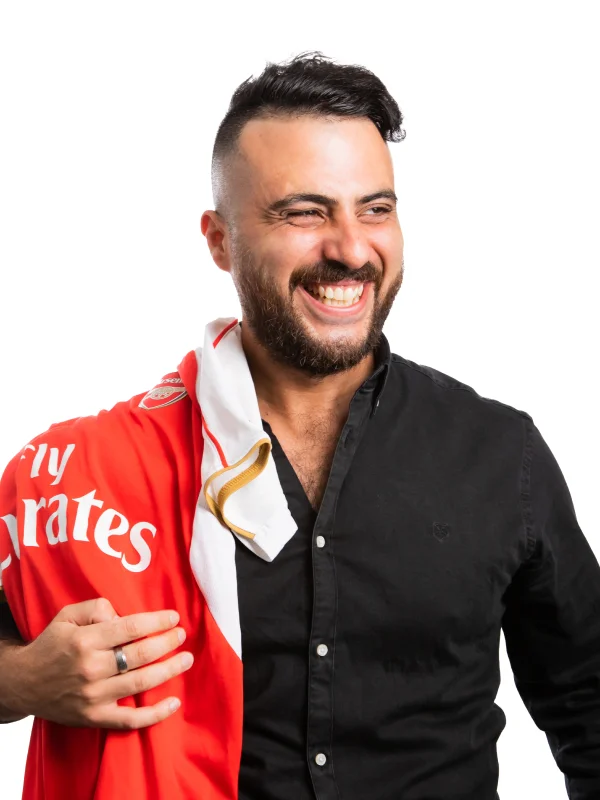
Harris Panayi Harris Panayi
Harris Panayi

Client Services Director

About

Harris has been part of the SIXGUN fabric nearly since its inception, running the Client Services department and specialising in client, staff, and escalation management, along with recruitment, retention, and business growth. A strong leader at SIXGUN whose all-rounder approach ensures maximum client and staff satisfaction, Harris also takes the lead on company events and culture.

Experience

After almost a decade in the digital marketing landscape, Harris has worked in almost every facet of the industry, including SEO, SEM, social media, site design and development, lead generation and affiliate marketing, account and partnership management, and general staff management positions.

Harris’ primary goal is to foster harmonious relationships between agency and client, ensuring business success from a technical performance perspective is at the forefront, while ensuring relationships with clients operate so effectively that clients are able to see us as a part of their business. Harris strives to create a family-style partnership environment within his department, where partnerships organically grow over time and clients stick with us for the long term.

Fun Fact

Harris is a true foodie, soccer and music enthusiast at heart. You’re most likely to find him in the kitchen, watching his beloved Arsenal, or strumming his Fender Stratocaster.

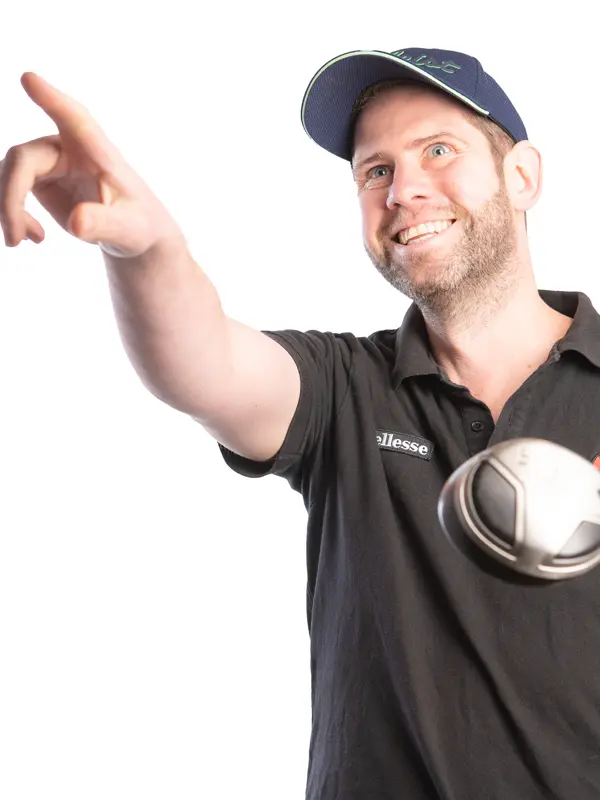
Matthew Cullen
Matthew Cullen

Strategy Director

About

Matthew leads the strategy and sales direction of SIXGUN, helping to develop a true client-centric mentality that puts our clients’ needs at the heart of our digital marketing solutions.

Experience

With more than ten years of experience in the digital marketing industry, Matthew uses his wealth of experience to guide campaigns from the outset, helping set realistic expectations that don’t promise the world. When talking strategy, Matthew understands no question is too small—choosing a digital marketing partner can be a difficult task and half the battle is finding a team you genuinely want to work with over the long term.

Fun Fact

A foodie at heart, Matt enjoys cooking (hopefully) delicious food, wining and dining with friends and family, and the occasional round of golf.


Alan Trinh
Alan Trinh

Performance Media Director

About

Leading the Performance Media department at SIXGUN, Alan manages a dynamic team of high-performing paid media specialists. The Performance Media team specialises in Google Ads, social media marketing, email marketing, and more.

Experience

With nine years of experience in marketing, Alan's journey encompasses diverse roles, from crafting impactful paid media strategies to orchestrating successful marketing events. Alan takes pride in fusing creativity with data-driven tactics, propelling brands to the forefront of the digital landscape, and mentoring his team to excel.

Fun Fact

Once upon a time, Alan was a qualified hairdresser who specialised in haircutting. He even entered a few hair competitions (but didn't win an award). That could explain the career change.


Nando Iorio
Nando Iorio

Lead Account Manager

About

Nando is an integral part of the Account Management team at SIXGUN, helping to develop a true and transparent business-client relationship while aiding and managing the day-to-day needs of our clients’ digital marketing solutions.

Experience

With over a decade of industry experience in both traditional and digital marketing as well as experience in the creative field, Nando takes a warm and holistic approach to client services.

Fun Fact

When Nando isn’t focused on all things SIXGUN he enjoys playing guitar and trying to set a new high score in classic video games. Nando also enjoys photography and making short videos in his spare time.


Dylan Charisis Dylan Charisis
Dylan Charisis

Lead Performance Media Specialist

About

Dylan is a part of the Performance Media team at SIXGUN, developing strategic paid media campaigns to help clients be seen by their ideal audiences despite the crowded digital landscape.

Experience

With more than five years’ experience in digital marketing, Dylan’s expertise has many facets beyond paid media, including analytics, PR, communications, and everything in between.

Fun Fact

Like many others at SIXGUN, on the weekends Dylan can be seen hitting a ball with a stick (golf), enjoying a run or visiting one of Melbourne’s many sandwich shops.

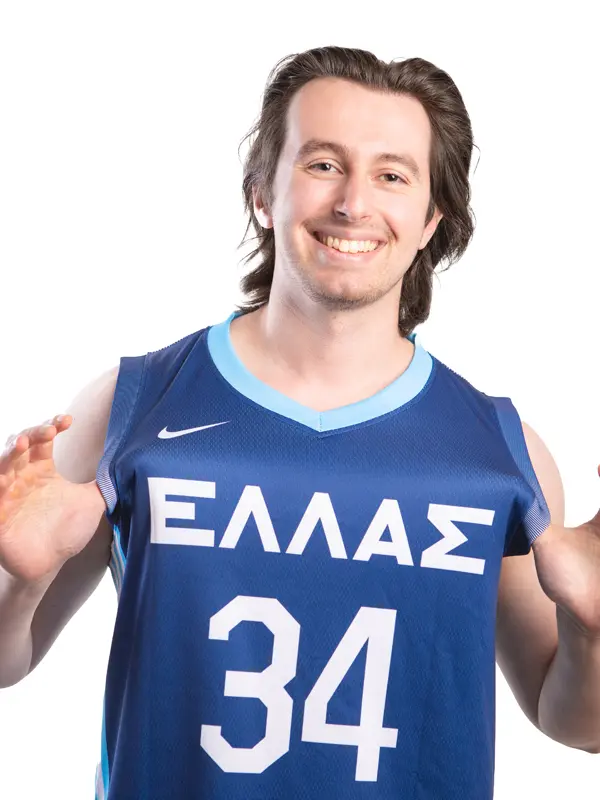
Evan Pavlidis
Evan Pavlidis

Senior Digital Marketing Strategist

About

As SIXGUN’s Senior Digital Marketing Strategist, Evan focuses on creating bespoke solutions, tailored to each individual business’s unique needs and challenges.

Experience

Working in client-facing roles for more than five years, Evan has a wealth of experience across the various marketing solutions that SIXGUN offers their clients. Outside of this, his knowledge of website development, UX and AI integration help shape a holistic understanding of the digital landscape, bringing unparalleled insight into every strategy session.

Fun Fact

Outside of work, you’ll find Evan spending quality time with his Labrador Zorro (please ask to see a photo! it will make him really happy) or 30 metres in the air, climbing a boulder in the wilderness. Evan also enjoys a range of sports (supporting Greece of course!).


Nelson Pak
Nelson Pak

Senior Account Manager

About

With more than five years of industry experience, Nelson brings a professional yet approachable attitude to the client services team. From strategic planning through to implementation and all day-to-day tasks, Nelson takes a holistic approach to digital marketing, aware that transparency and understanding between clientele and agency is key.

Experience

With ten years of combined experience in industries like banking, finance, sales, and marketing, Nelson brings a wealth of knowledge and experience to the team, having worked with many small, medium and enterprise-level businesses, leading campaigns and creating meaningful, long-lasting partnerships.

Fun Fact

Outside of work, Nelson can be found on walks to the dog park/beach with his best bud, partaking in rounds of MMA to keep fit, or sitting around a campfire in the outback.


Janelle Wong
Janelle Wong

Junior Performance Media Specialist

About

Janelle is a digital marketing all-rounder who's dedicated to mixing creativity into her strategies. With experience in social media content creation and SEO, she's now blending her career know-how and diving deep into paid media strategies.

Experience

Janelle's digital marketing journey has spanned diverse sectors like education, engineering, finance, beauty, and ecommerce. Her expertise extends to creating and editing video content across YouTube and TikTok.

Fun Fact

Outside of work, you can find Janelle cafe-hopping with friends and taking aesthetic pics for the ‘Gram. You might also find her hanging from a piece of fabric in the aerial yoga studio.


Running Meta ads for businesses across Australia

We run Meta campaigns for businesses right across Australia, from single-location operators to national ecommerce brands, and a good share of them are here in Melbourne with us. 

Paid social is not a local service. The auction does not care where your office is, only who you are trying to reach.

Contact our specialist Meta Ads team today for a free audit.

What Meta can and cannot see

The number in Meta Ads Manager is part measurement and part model, and understanding which part is which is the most useful thing a business can learn about this channel.

Here is the mechanism. Meta can only attribute a conversion it observes, and a large share of the signal it once observed has been withdrawn at the device and browser level. Tracking prevention in browsers and app-level tracking permissions on mobile mean a real portion of the people who click an ad and then convert are never connected back to the click. Meta fills that gap with modelled conversions, which are statistical estimates of results it believes happened but cannot see. Those estimates sit in the same column as the ones it can see. Meta flags where modelling has been applied, but it will not tell you how much of a given number is observed and how much is inferred.

Then there are the attribution windows. The default setting credits Meta with a conversion if someone clicked within seven days or simply viewed the ad within one. A view is not a click. Someone who scrolled past your ad on Tuesday, searched your brand on Thursday and bought through SEO will still appear in Meta’s column, and in Google’s as well. Add the platforms together and you will find you sold more than you sold.

Here is the honest part. Attribution on Meta is incomplete by design, and no agency can fix that, SIXGUN included. What we do about it is unglamorous. We configure Google Analytics 4 with disciplined UTM tagging, so there is a second and independent view of the same traffic.

Working with you as well as working for you

We would rather tell you the channel is not working than keep it running because the retainer is comfortable. That position has cost us revenue. It has also kept clients for years, which is a trade we are happy with.

In practice it means you hear the flat months as clearly as the good ones, you hear the reasoning behind a change, and you get access to the account instead of a slide with a number on it.

We would rather explain a decision than defend one. You can meet the people who would be running your account on our team page.

You might be wondering...

A Meta ads agency, like SIXGUN is a specialist team that plans, builds, runs and reports on paid advertising across Meta's platforms. The work spans strategy, audience targeting, creative production, ad copy, conversion tracking and continuous optimisation, and it is managed to a business outcome such as leads, sales or cost per acquisition rather than to reach or engagement.

It is enough to learn something. It is not enough to build on. Ten dollars a day is roughly $300 a month, which buys one campaign, one audience and a handful of creative variants, with several weeks passing before there are enough results to judge any of them. As a test of whether the channel suits your offer, it is a slim place to start. As the budget behind a full funnel, it will be spread too thin to produce a clear signal anywhere.

Five hundred dollars a month is about $16 a day, and the same constraint applies with a little more room. It may be able to run a single objective: one audience set, a few creatives. What it cannot do is run awareness, consideration and remarketing at once. It also sits below the point where paying an agency to manage it adds up.

There is no published average worth quoting. Costs vary so widely by industry, objective, audience, season and creative quality that an all-industry figure tells you nothing about your own account. The benchmark that matters is your own account over time, measured against what a customer is worth to your business.

SIXGUN's Meta Ads management starts at $1,250 + GST per month, and we would recommend a monthly media spend of over $2,000.

Boosting is a shortcut, and it has a real cost. What you give up:

  • Objective range: boosting offers a short list of goals, where Ads Manager opens the full set including sales, leads and app events.
  • Audience structure: no lookalikes, no layered exclusions, no separation between cold and warm.
  • Testing: Meta may rotate a few text variations for you, but there is no structured test and no readable answer about what drove the result.
  • Creative format: carousel and the other Ads Manager formats are not available when you boost.
  • Reporting: because the goal is engagement or clicks, that is what you get a cost for, not cost per lead or per sale.

Boosting is fine for what it is - money behind a post already performing organically. If you are boosting every week, that budget is an ads budget without the structure, and it belongs in a campaign.

Yes, and ownership stays with your business throughout:

  • Your ad account and Business Manager: we work inside yours, or build one in your name and give you admin access.
  • Your pixel and audiences: the tracking and the audience data are assets of your business, not ours.
  • Your creative: the assets we produce are yours to keep.
  • Your history: performance data stays in the account, the only place it is useful.

If the relationship ends, you keep the account and everything in it.

Meta is the company and the advertising platform. Facebook is one of the places its ads appear. A Meta ads campaign is built once, in one ad account, and can run across Facebook, Instagram, Messenger and the Audience Network from the same budget and the same auction. Facebook ads, strictly, means the campaigns or placements that run on Facebook itself.

In practice most businesses mean the same thing by both, and the account they end up with is the same account. The difference matters when you want to go deep on one surface. If your customers are overwhelmingly on Instagram, or your remarketing depends on Facebook's audience data, it is worth building the strategy around that surface specifically.

Name

Name
Content here